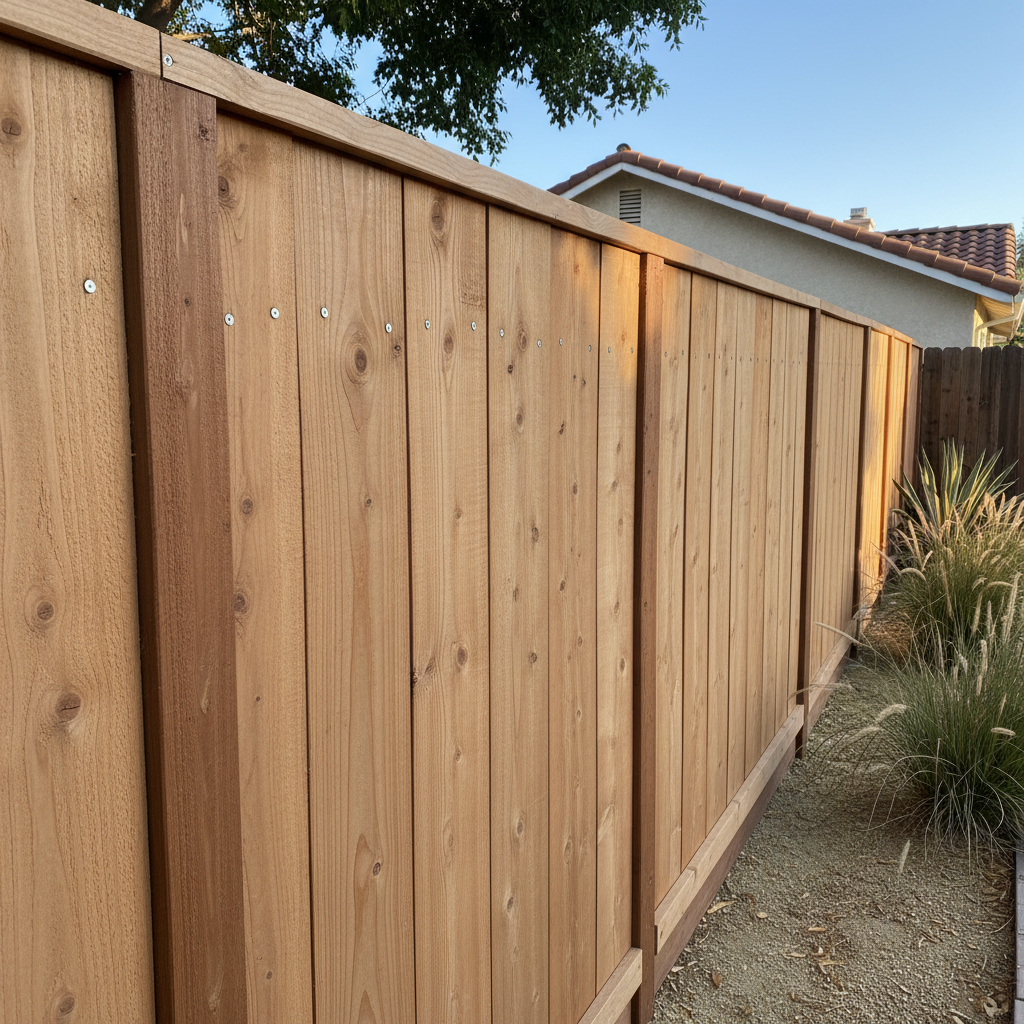
Is Your Fence Begging for Help?
Look, nobody really wants to spend their Saturday wrestling with a broken fence. But sometimes, your fence practically screams for attention. Maybe a picket's gone missing, a post is leaning like it's had one too many margaritas, or a gate just won't close right. Ignoring it only makes things worse, and honestly, a broken fence doesn't do much for your home's curb appeal or your property's security, especially here in Garden Grove.
Before you grab your toolbox or, you know, just panic, let's chat about what you can probably handle yourself and when it's smart to call in the pros (that's us, Garden Grove Fencing Solutions).
First Things First: Check It Out
You can't fix something if you don't understand what's wrong, right? So, take a good, hard look at your fence. Walk the whole thing. What's the main issue? Is it just cosmetic, or is the whole thing falling apart? Here’s what to keep an eye out for:
- Loose or Missing Pickets/Panels: This happens a lot. Wood fences dry out, screws work their way loose, nails pop. Vinyl panels can get knocked right off.
- Wobbly Posts: Now this is a bigger deal. A post that's rocking usually means the concrete footing has cracked, or the wood itself has rotted at ground level. This is especially common in older neighborhoods, maybe near the Garden Grove strawberry fields where the soil can stay pretty damp.
- Sagging Gates: Gates really take a beating. Hinges can bend, screws strip out, and the gate itself can warp.
- Rot or Pest Damage: For wood fences, look for soft spots, weird discoloration, or tiny holes. Termites and dry rot are serious business, particularly with our humid summers.
- Hardware Problems: Latches that don't catch, rusty hinges, broken springs. These are usually pretty easy to fix.
DIY Fixes You Can Probably Handle
If the damage isn't too bad, you can totally get your hands dirty and save some cash. Here are a few common repairs most homeowners can manage:
Replacing Loose or Missing Pickets/Panels
This one's pretty straightforward. For wood fences, you'll need new pickets, exterior-grade screws or galvanized nails, and a drill or hammer. Try to get your new picket to match the old ones as closely as possible in size and wood type. If a vinyl panel has popped out, often you can just snap it back into place. Sometimes a little adhesive made for vinyl can help secure it if the clips are worn down.
Fixing a Sagging Gate
Often, a sagging gate just has loose hinges. Try tightening all the screws on the hinges first. If that doesn't work, the screw holes might be stripped. You could try using longer, thicker screws, or fill the old holes with wood filler and drill new ones. Sometimes, adding a diagonal brace from the top hinge side down to the bottom latch side can pull a warped gate back into square. For really old, heavy gates, you might just need to replace the hinges entirely with stronger ones, you know?
Minor Post Repairs
If a post is only slightly wobbly but the concrete footing looks okay, you might be able to shore it up. You can try driving some gravel or small rocks around the base of the post inside the concrete, then pouring a small amount of fresh concrete mix to fill any gaps. Just remember, this is often a temporary fix if the post itself is rotting.
Hardware Swaps
Rusty latch? Broken spring? These are simple. Just buy a replacement that matches the old one and swap it out. Make sure you use exterior-grade, rust-resistant hardware, especially with our coastal air.
When to Call a Professional (That's Us!)
Alright, so you've checked things out, and it looks like it's more than a quick fix. Don't try to be a hero; sometimes, calling in a pro is the smartest, safest, and most cost-effective long-term solution. Here's when you should definitely pick up the phone:
- Severely Rotted or Broken Posts: If a post is rotted through at the base or snapped, it needs to be replaced correctly. This often means digging out old concrete, setting a new post, and pouring a new footing. It's tough work, and if it's not done right, the new post won't last.
- Major Structural Damage: If an entire section of your fence is leaning, if multiple posts are compromised, or if the fence is falling apart in several places, you're looking at more than a repair; it's practically a partial rebuild. We've got the tools and experience to get this done efficiently and correctly.
- Extensive Pest or Rot Damage: If you see signs of widespread termite activity or significant dry rot across many pickets, posts, or rails, it's a bigger issue than just swapping out a few pieces. You might need to replace whole sections to stop further spread and make sure the fence is sound.
- Fence is Leaning on a Neighbor's Property: This can get tricky with property lines and neighborly relations. A professional can make sure the repair is done correctly and respects everyone's boundaries.
- You Don't Have the Right Tools or Time: Let's be honest, not everyone has a post-hole digger, a concrete mixer, or a full weekend to dedicate to fence repair. We do this every day, so we're all set up for it.
Remember, your fence protects your property and your privacy. While some repairs are perfect for a DIY weekend, don't hesitate to reach out to Garden Grove Fencing Solutions when the job gets bigger than a quick fix. We're here to help keep your fence standing strong.