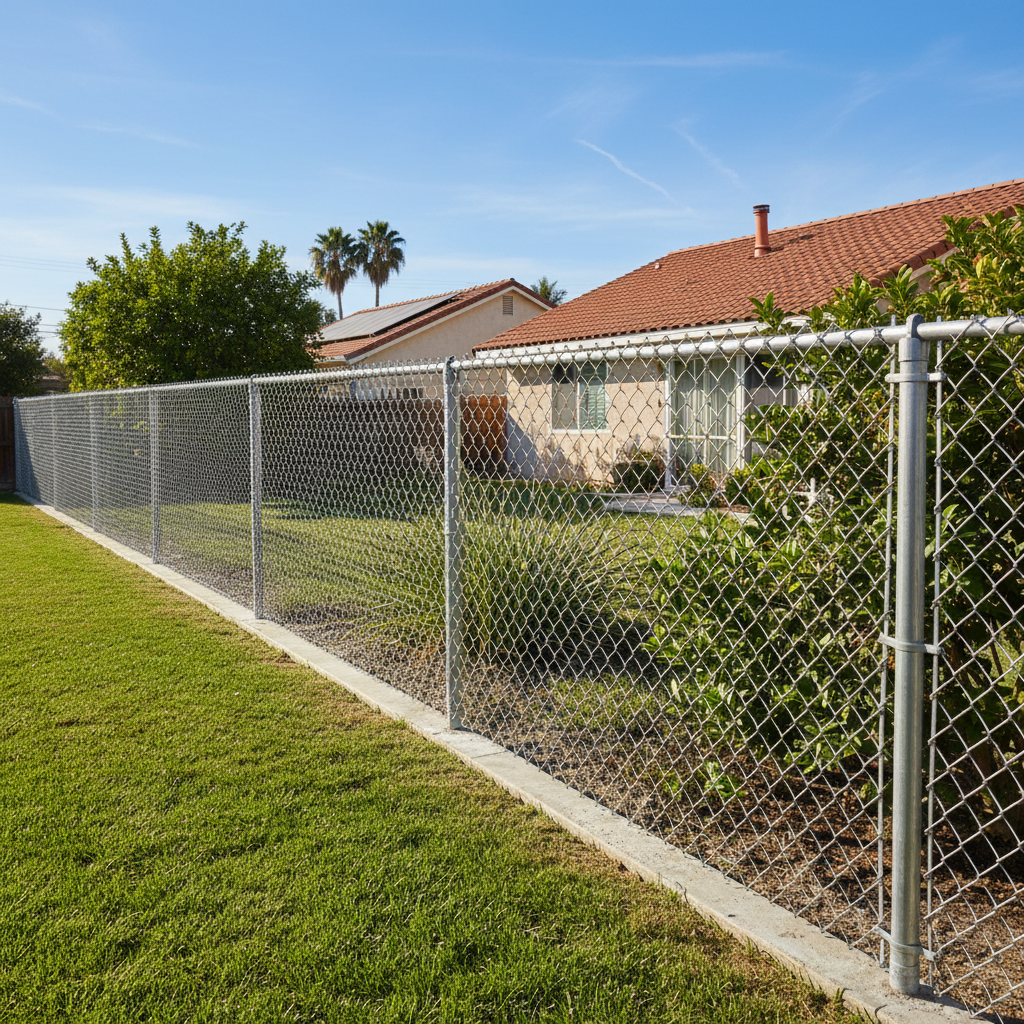
So, you've got a chain link fence. Maybe it's around your backyard, keeping the kids and pets safe, or securing a commercial property. Most folks think once it's up, you don't have to worry about it. And yeah, chain link is tough, but 'tough' doesn't mean 'indestructible' or 'maintenance-free.' Especially here in Garden Grove, with our specific weather patterns, a little bit of care can really extend the life of your investment.
Extending Your Chain Link Fence's Life
The biggest thing you can do to make your chain link fence last is pretty simple: keep it clean and keep an eye on it. That sounds basic, but it's true. Our coastal air, even though we're a bit inland, still carries some moisture and salt. Over time, that can start to affect the galvanized coating or vinyl on your fence. Regular rinsing, especially after a long dry spell followed by some humidity, helps wash away any buildup that could accelerate wear.
Another big one is preventing anything from leaning on it. I've seen countless fences sag or get bent out of shape because a shed was built too close, or a big tree branch grew into it. Keep vegetation trimmed back. Don't let heavy items sit against it for long periods. It puts unnecessary stress on the posts and the fabric itself.
Regular Maintenance You Can Do
You don't need fancy tools or special skills for most chain link fence maintenance. Here's what I recommend:
- Inspect it regularly: Walk the perimeter of your fence once every few months. Look closely at the posts, the chain link fabric, and any gates. This is your chance to catch small problems before they become big ones.
- Clean it up: A good rinse with a garden hose is usually all it takes. If you've got some stubborn dirt or mildew, a soft brush and some mild soap (dish soap works fine) can help. Just make sure to rinse thoroughly afterwards.
- Check fasteners and ties: The chain link fabric is held to the posts and rails with tie wires and tension bands. These can loosen over time, especially with kids climbing on the fence or just general wear and tear. Give them a squeeze or a gentle tug. If they're loose, you can often tighten them with a pair of pliers.
- Lubricate gates: Gate hinges and latches can get stiff or squeaky. A little bit of silicone spray or a few drops of general-purpose oil will keep them operating smoothly. You don't want to force a sticky gate, that's how you bend things.
- Address vegetation: We have some pretty aggressive plant growth here, especially in areas like the older neighborhoods around Lampson Avenue. Vines, bushes, and even tree roots can put pressure on your fence. Trim them back regularly to keep them from growing into or over the chain link.
Warning Signs of Trouble
Your fence will usually tell you when something's wrong if you're paying attention. Here are some red flags:
- Rust spots: Even galvanized fences can eventually show rust, especially if the coating gets scratched or worn down. Small spots can sometimes be treated with a rust-inhibiting primer and paint, but widespread rust means the fence's integrity is compromised.
- Bent or leaning posts: This is a major issue. A leaning post means the foundation might be failing, or it's taken a hard hit. Don't ignore this; it'll only get worse.
- Sagging fabric: If the chain link itself is drooping between posts, the tension bands or top rail might be loose, or the fabric could be stretched.
- Loose or missing ties: If the fabric isn't securely attached to the framework, it's not doing its job.
- Damaged gate hardware: If a gate won't close properly, or if hinges are pulling away from the post, it's a security risk and needs attention.
When to Call a Professional
Look, a lot of the smaller stuff you can handle yourself. But there are times when you really should call in someone with experience. If you see:
- Significant rust or corrosion: Especially if it's on the posts or top rail. That's structural, and it's not an easy DIY fix.
- Severely bent or broken posts: Replacing a fence post properly means digging out the old concrete, setting a new post, and making sure it's plumb and secure. It's a job that needs the right tools and know-how to last.
- Large sections of damaged fabric: If a big chunk of your chain link is torn, cut, or severely bent, patching it can look messy and often isn't as strong as replacing a section.
- Gates that won't align or close properly: This often points to issues with the posts themselves or the gate frame, which can be tricky to fix without causing more problems.
- Any signs of foundation issues: If posts are wobbly in the ground, or you see cracks in the concrete footings, that's definitely a pro job.
At Garden Grove Fencing Solutions, we've seen it all. We can usually tell pretty quickly what's a simple fix and what needs a more involved repair or even a section replacement. Don't wait until your fence is falling over to give us a call. A little proactive maintenance and knowing when to get professional help will keep your chain link fence serving you well for many, many years.